The Experience
Before, during, and after the journey
The fellowship is not a ten-day trip with preparation attached. It is one continuous formation: what happens before departure and after the return matters as much as the days abroad.
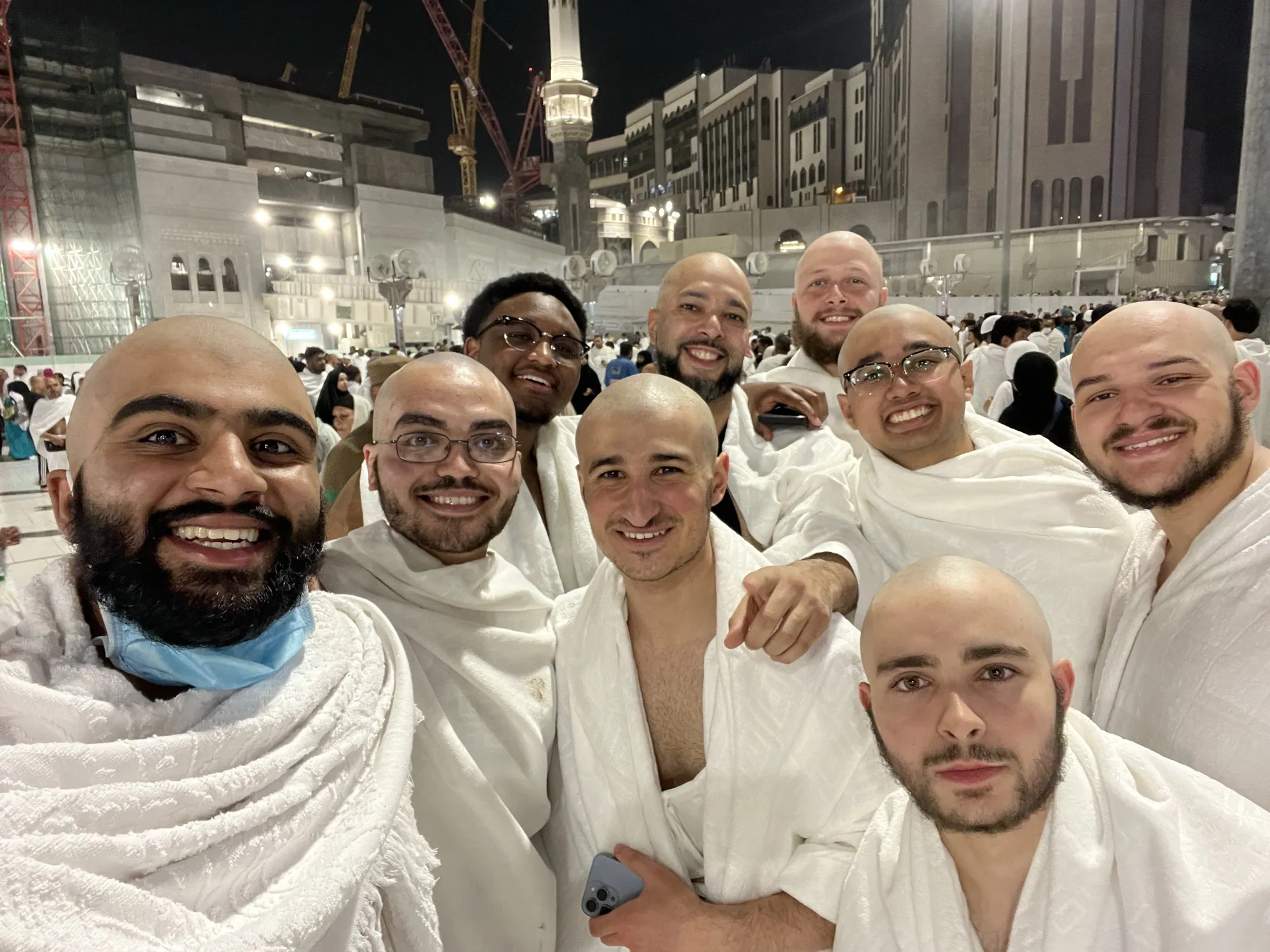
Makkah route · 2024
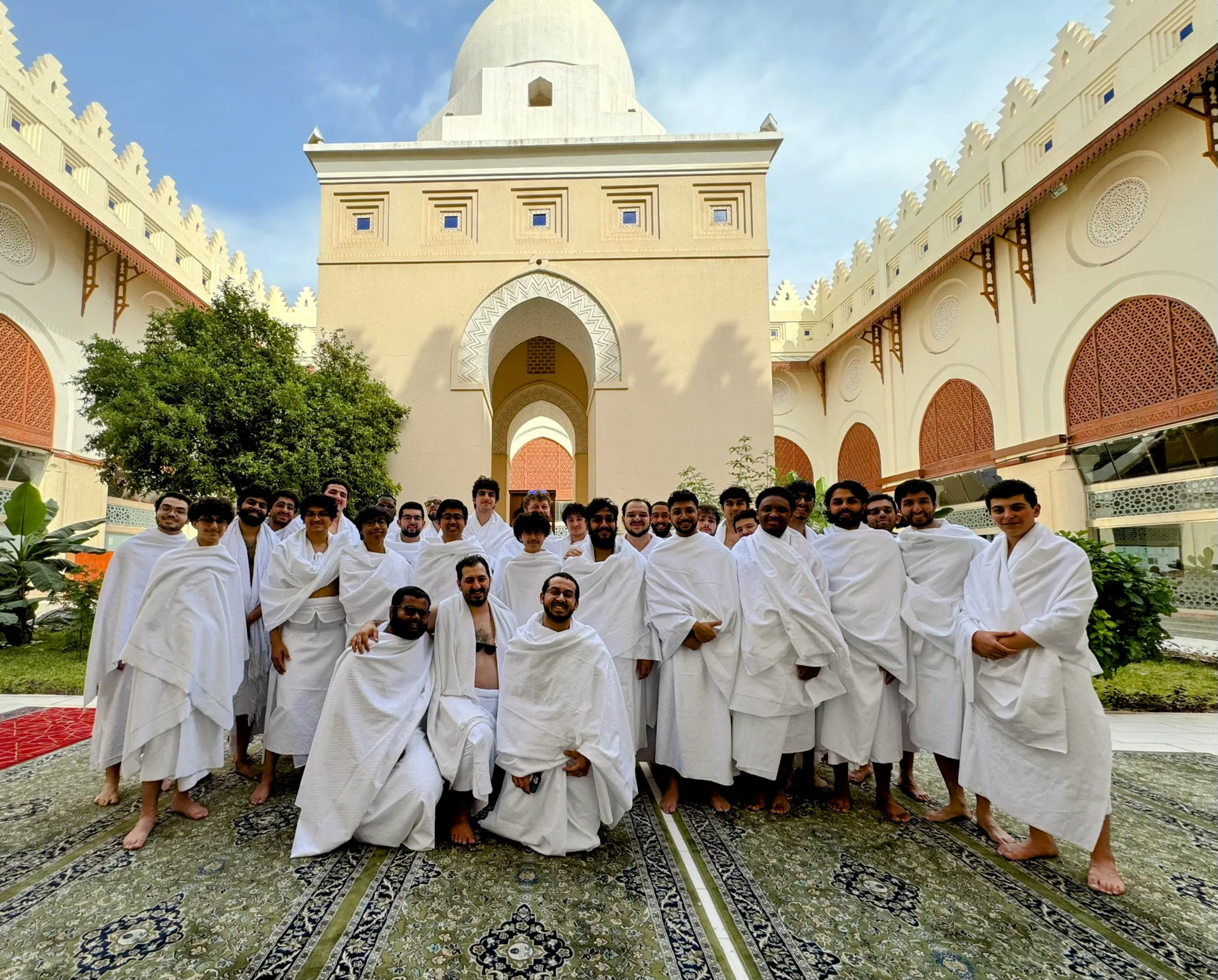
The cohort gathers at the miqat before beginning the rites of Umrah.
Before departure
Preparation
The rihla begins months before the flight. Preparation is what separates a journey from a trip.
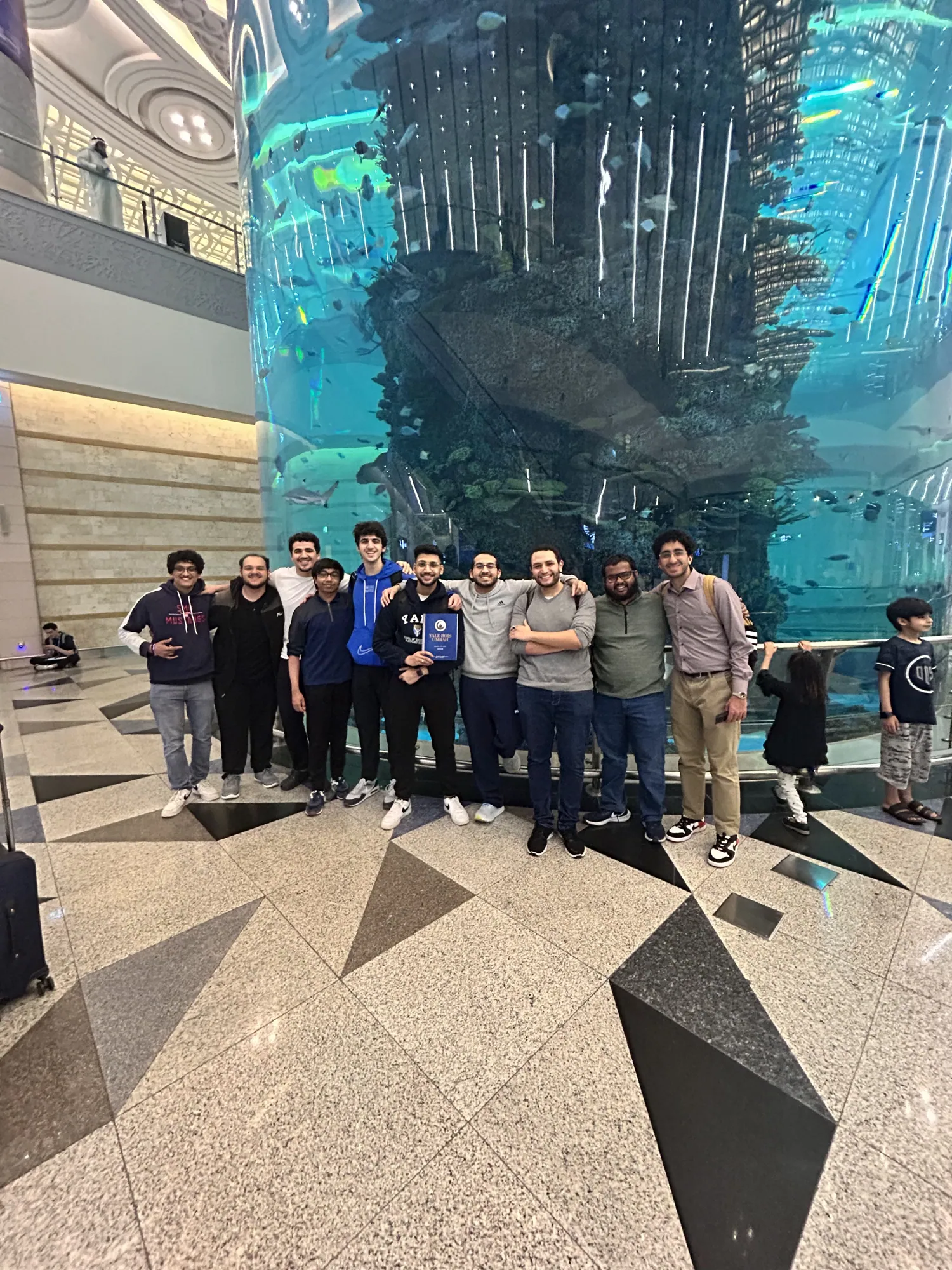
- Cohort introductions and community building
- Spiritual preparation and the fiqh and meaning of Umrah
- The history of the rihla in the Muslim intellectual tradition
- Saudi cultural and historical context
- Conversations about intention, identity, and leadership
- Travel preparation, health, and safety
- Shared expectations for cohort life
- Journaling prompts and personal goals
- Mentor introductions and required learning materials
During the journey
Encounter
Ten days across Jeddah, Madinah, and Makkah, structured around worship, learning, and shared life.
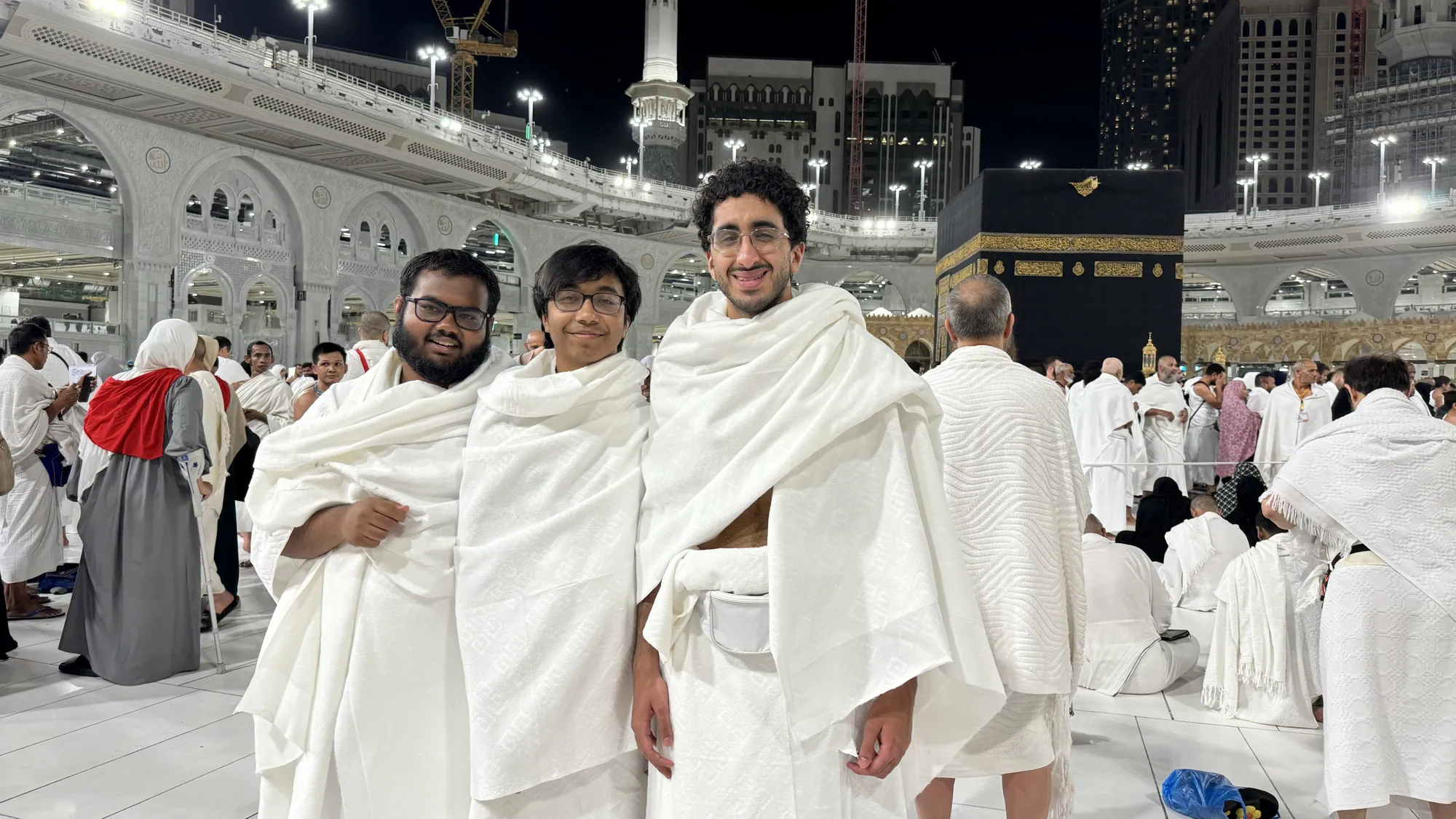
- The performance of Umrah
- Daily worship and time for individual reflection
- Visits to religious and historical sites
- Guided learning sessions with the cohort
- Meetings with scholars, educators, and professionals
- Cultural experiences and shared meals
- Reflection circles and journaling
- Fellow-led responsibilities within the group
- Deliberate time for rest
Specific meetings, hosts, and institutions are confirmed for each cohort before they are named publicly.
After the journey
Return
What a fellow does with the journey matters more than the journey itself.
- Guided re-entry and final reflection
- Cohort debrief
- Continued mentorship
- Relationships across campuses and cohorts
- Contribution to campus and home community
- Storytelling and shared learning
- Long-term evaluation and follow-up
- Opportunities to support later cohorts
The post-return structure is being built intentionally rather than assumed; it will grow with the first cohort.
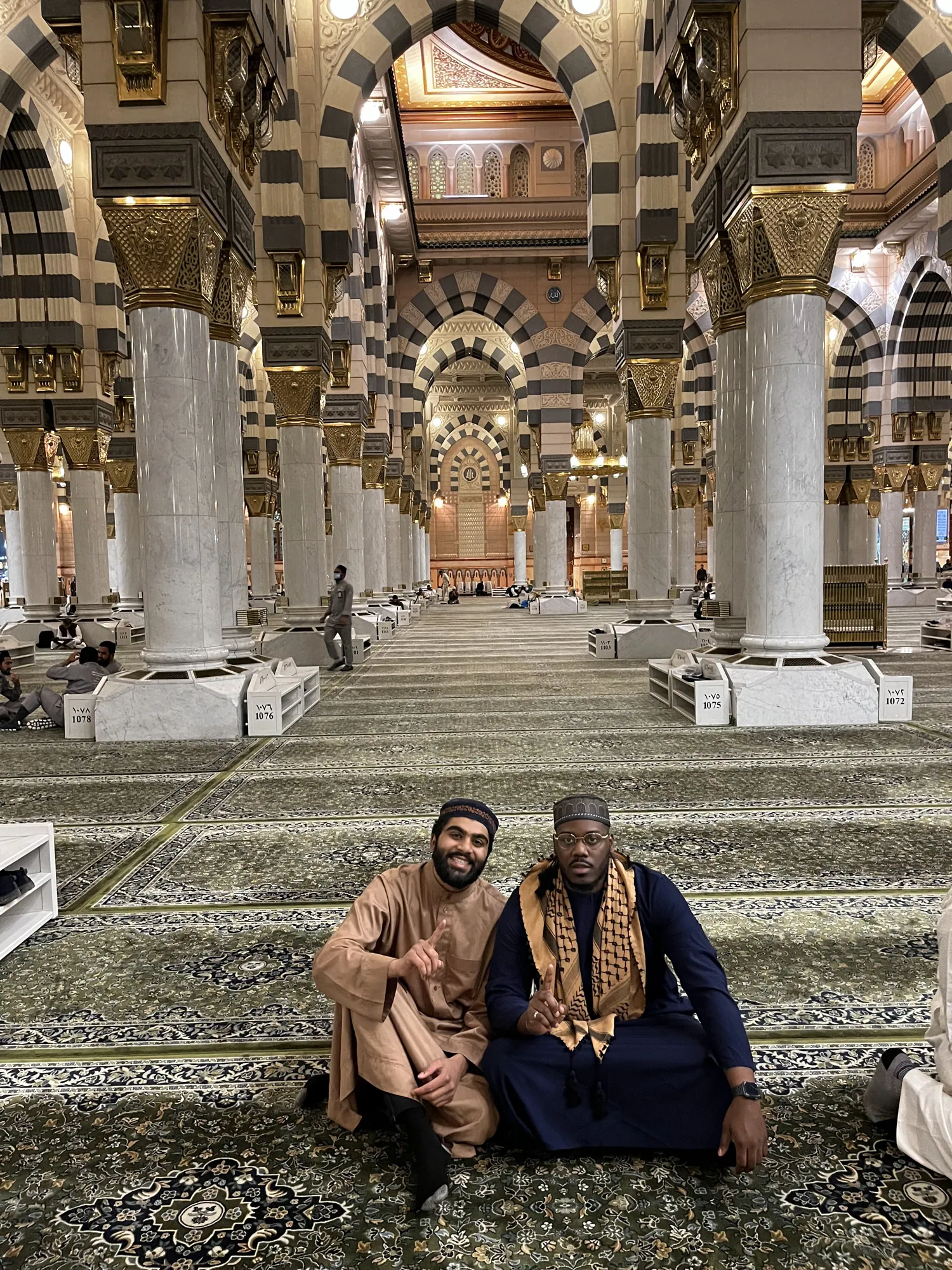
Cultural immersion
Meeting a place on its own terms
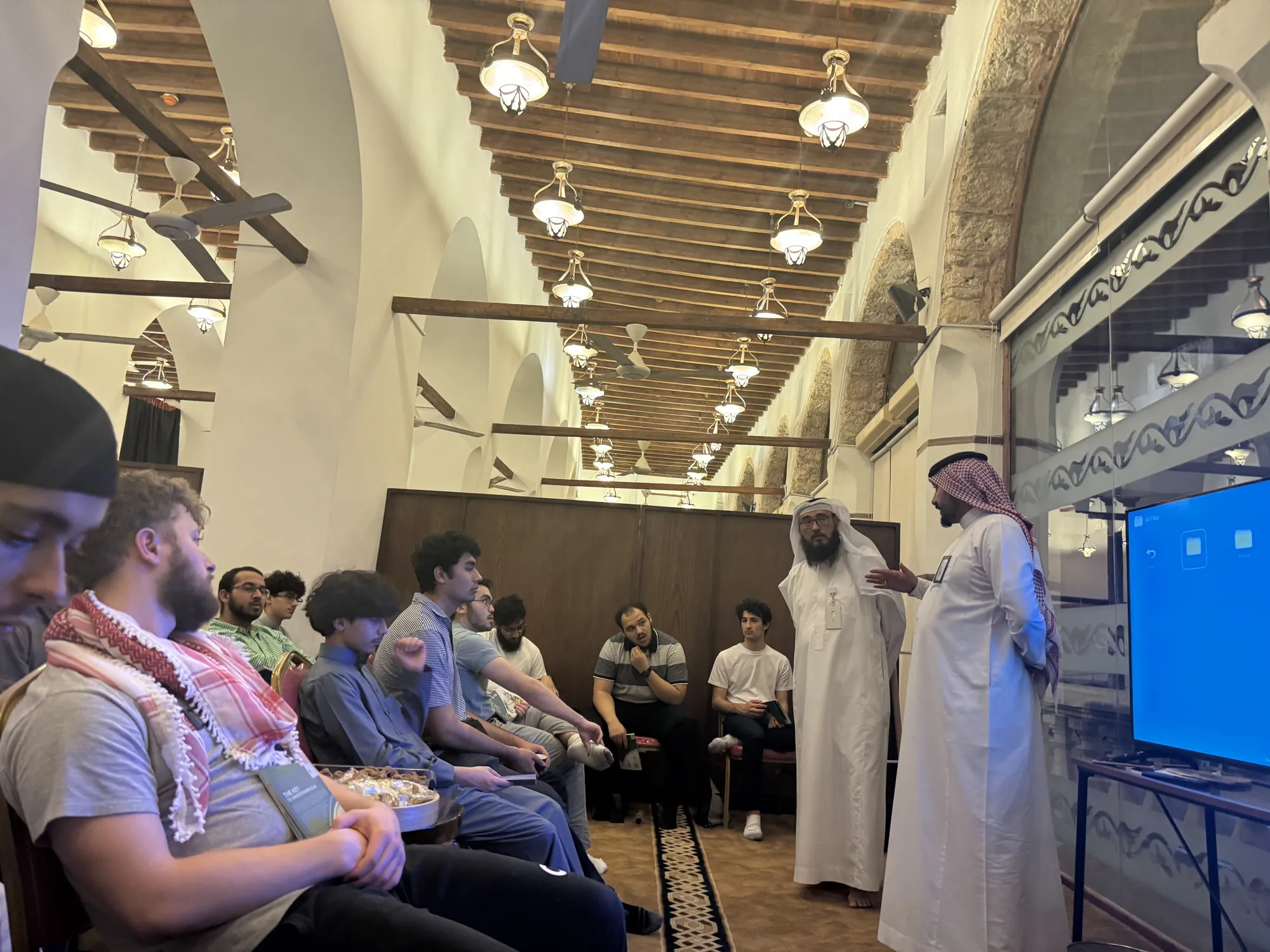
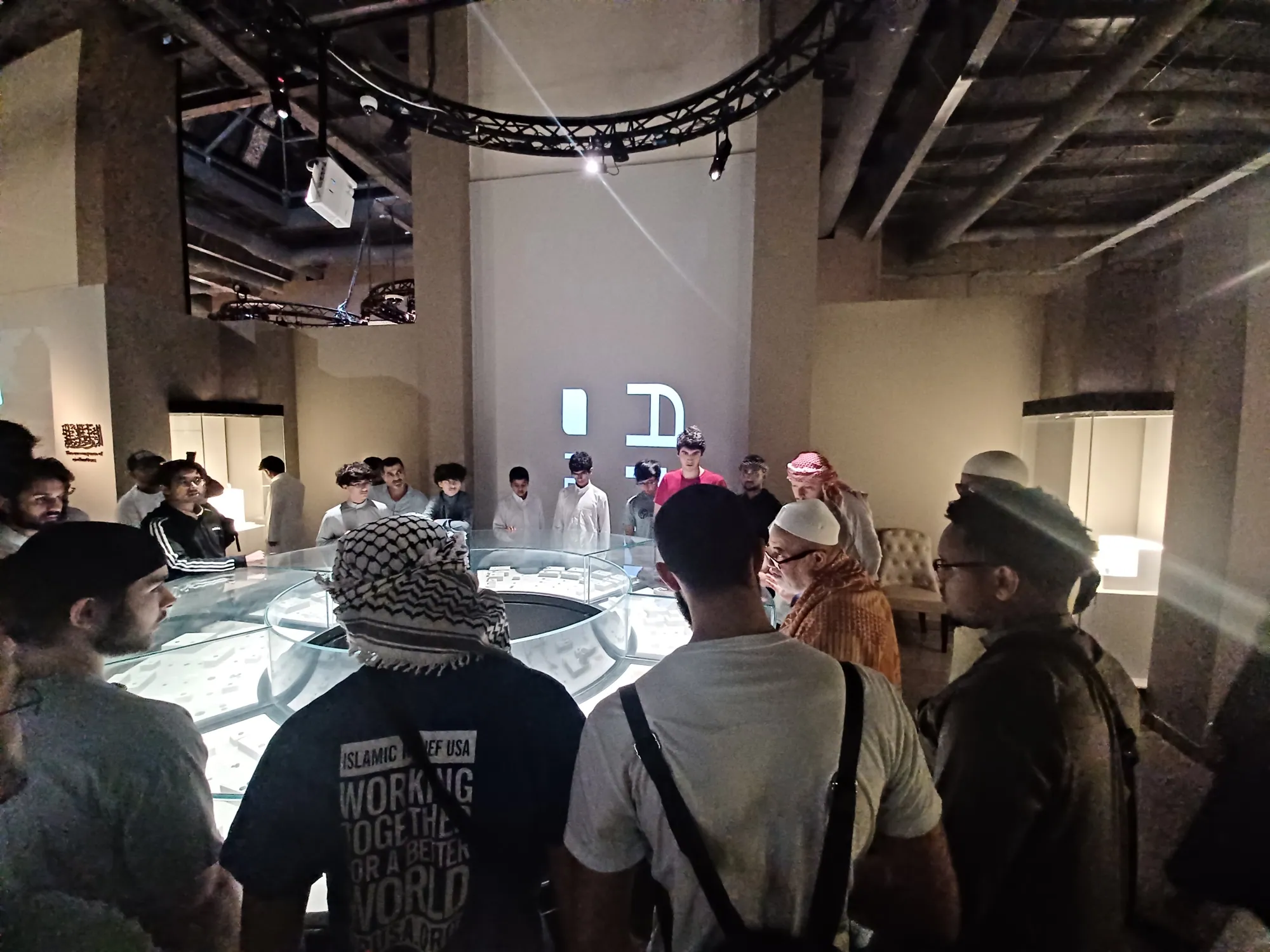
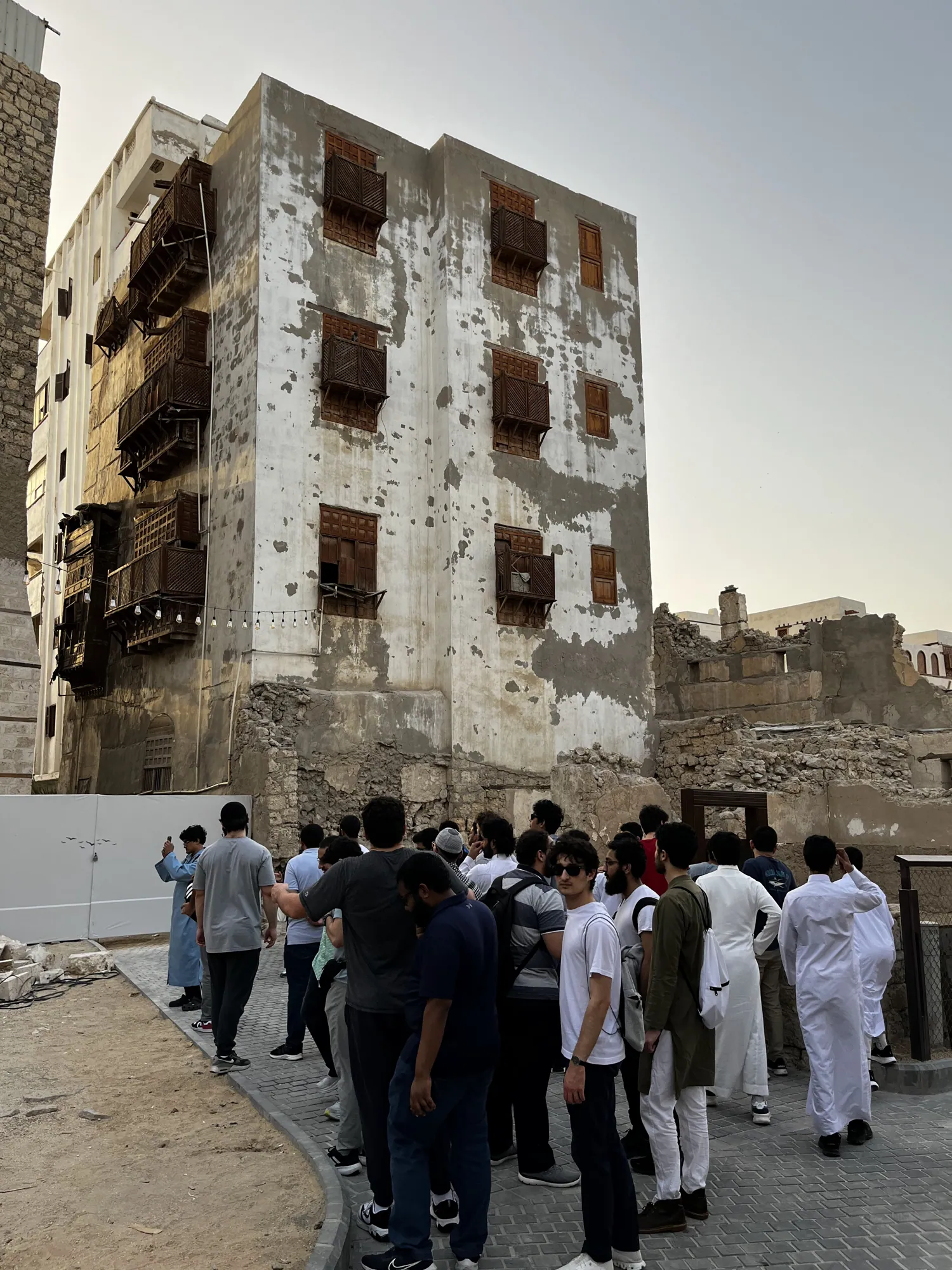
Fellows move beyond simplified ideas about Saudi Arabia and the wider Muslim world by spending time in ordinary places: farms, markets, old quarters, and family homes.
A date farm outside Madinah, a walking tour through historic Jeddah, an afternoon in a museum. Cultural learning happens in the company of the people who live it.
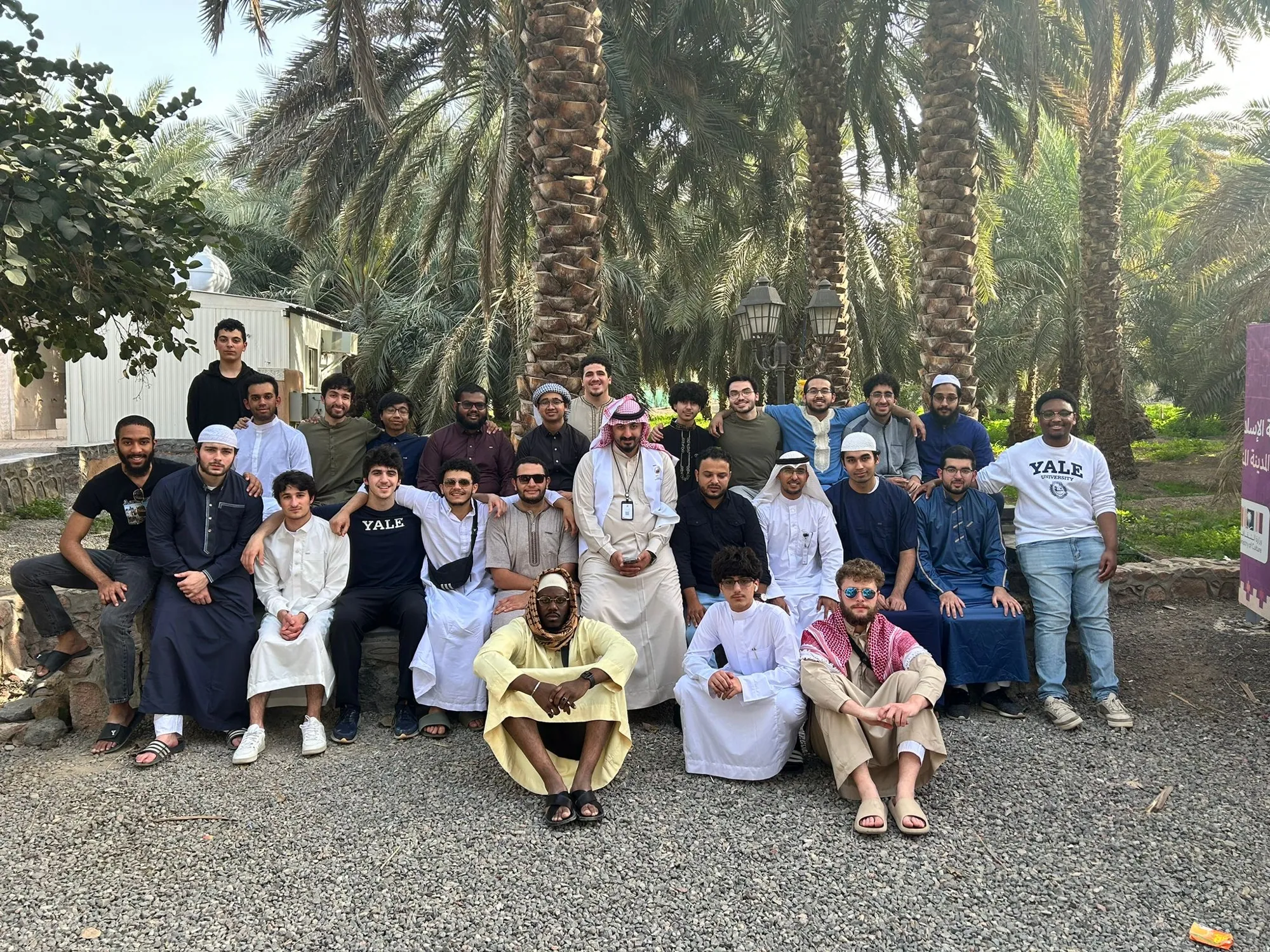
Historical encounter
Lessons taught where they happened
Some lessons cannot be taught in a seminar room. Standing on the ground at Uhud, or sitting for a lesson on Sira inside a historic mosque, changes the register of what is learned.
History becomes geography, and geography becomes memory. Fellows carry that back with them.
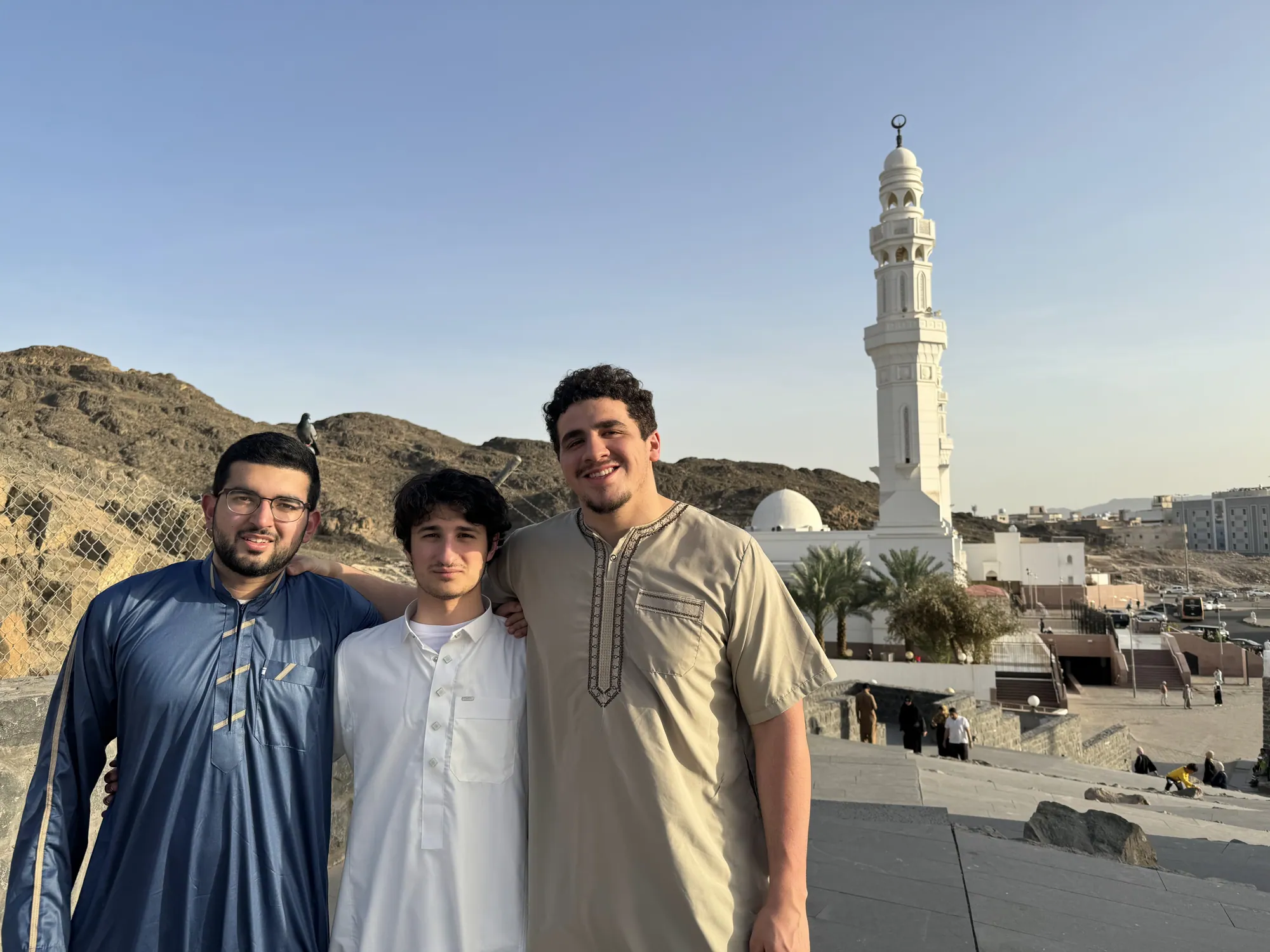
Spiritual reflection
Room for the individual inside a cohort
The journey is shared, but the interior work is personal. Time is deliberately protected for private worship, quiet, and journaling.
Reflection circles at the end of the day give fellows language for what they encountered, without demanding performance from anyone.
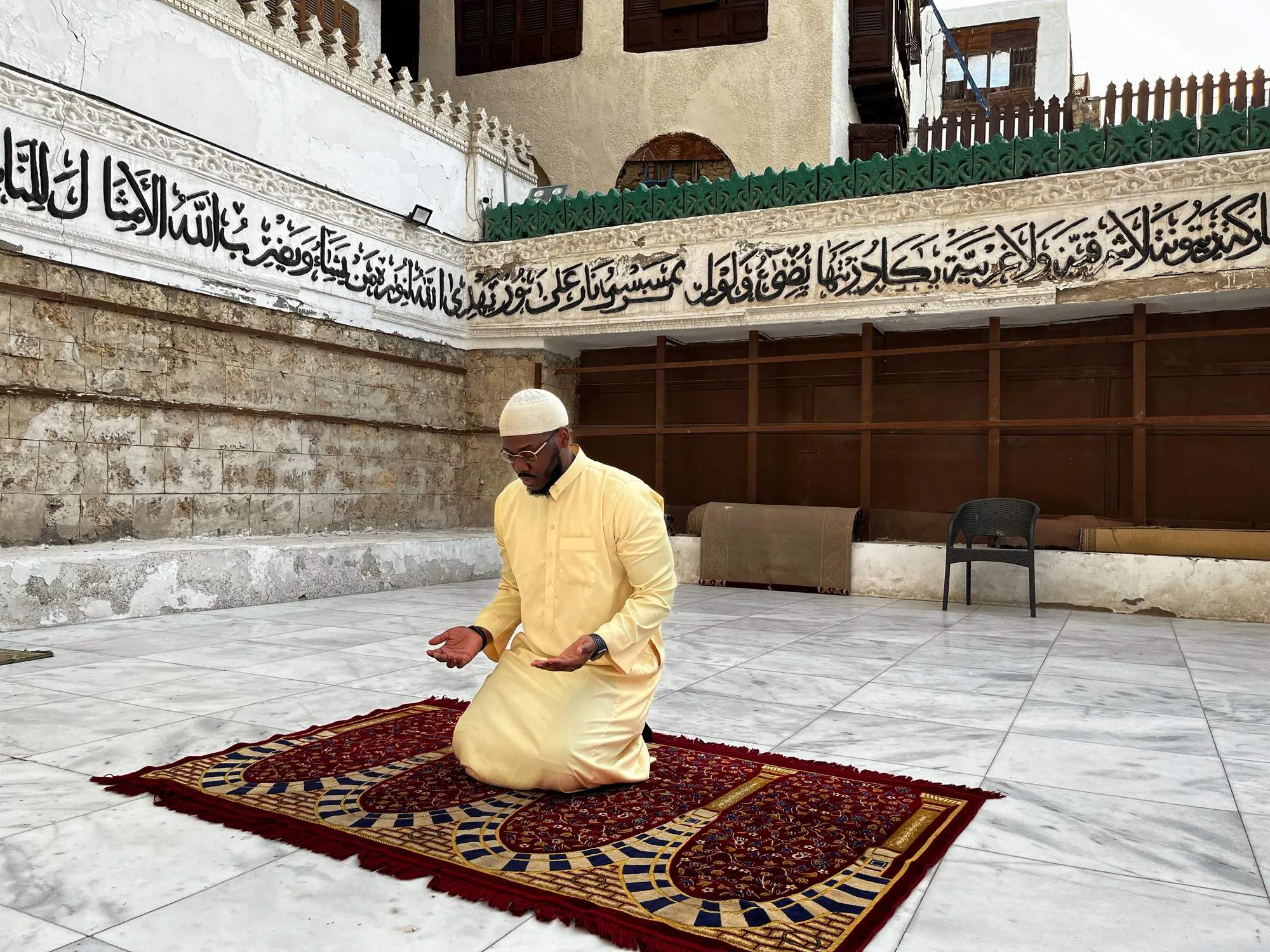
Intellectual encounter
The encounter itself is the curriculum
Sacred journey
Umrah at the centre
Umrah is the sacred centre of the fellowship, not a stop on an itinerary. Fellows are prepared for it in advance: the fiqh, the meaning, and the manners of the journey.
At the miqat the group enters the sacred state together, and performs the rites with guidance close at hand.