
The pilot journey
Before there was a fellowship, there was a journey.
In 2024, a student-led Yale Umrah journey brought together approximately thirty Muslim students for ten days across Jeddah, Madinah, and Makkah. That experience became the pilot from which The Rihla Fellowship was shaped.
Makkah · 2024
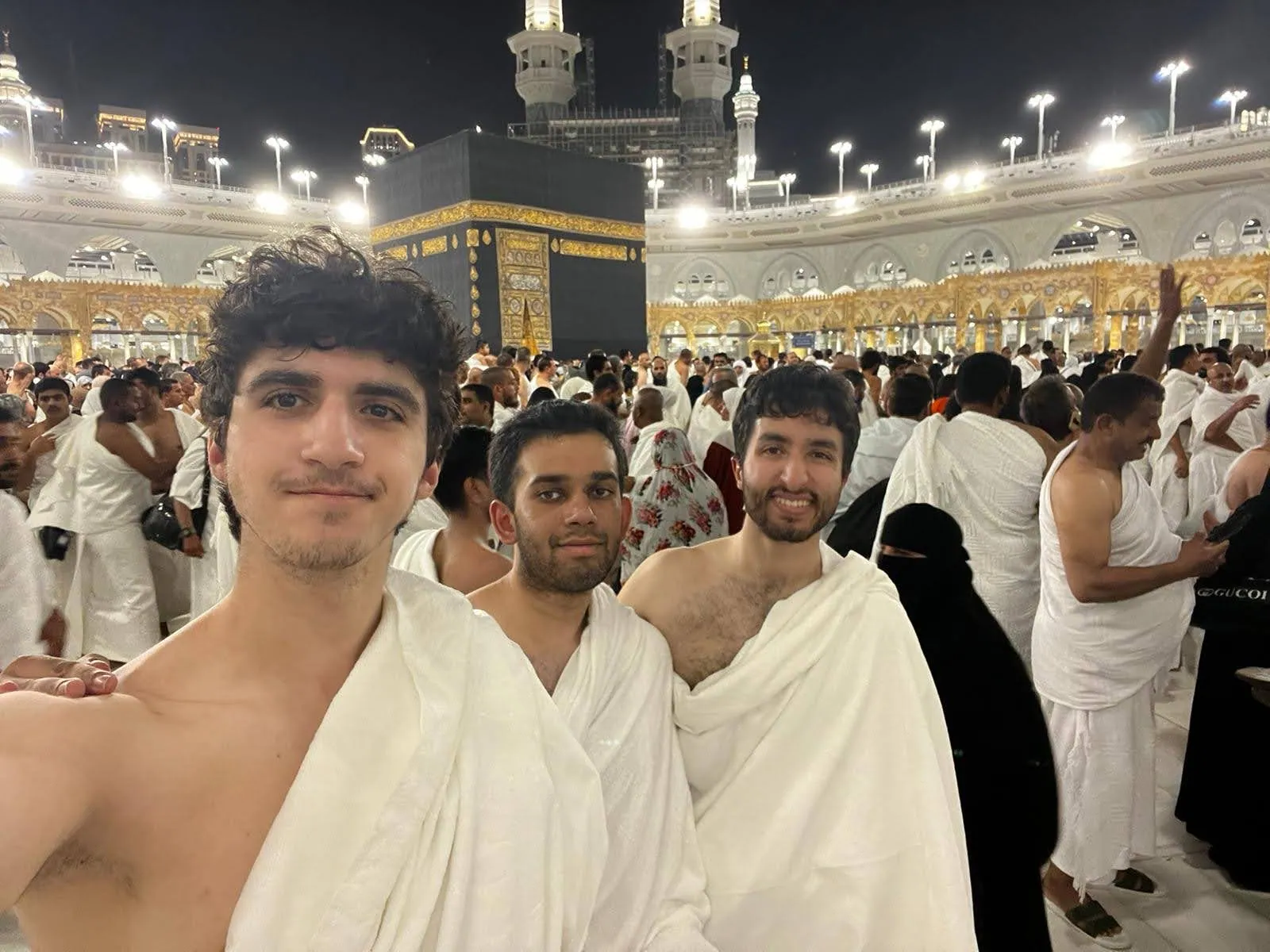
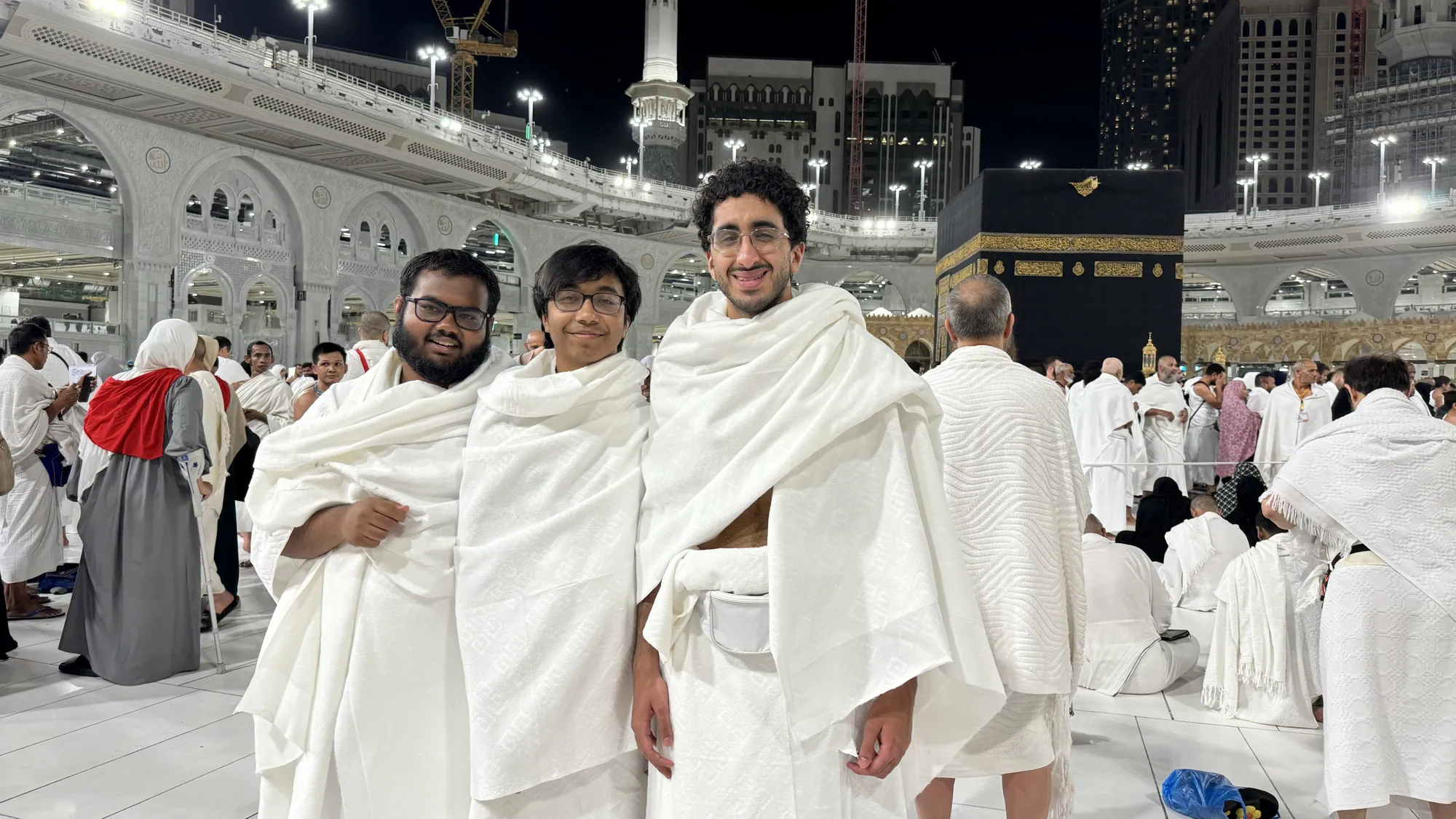
Three fellows pause together near the Kaaba during the Umrah portion of the pilot journey.
The origin
It began as a smaller student idea. It grew into a group of more than thirty students travelling together, many of them performing Umrah for the first time, and some travelling internationally for the first time.
The pilot was student-organised: pre-departure preparation, travel logistics, religious guidance, a fiqh of Umrah class, halaqas, communal worship, shared meals, visits to religious and historical sites, and group reflection.
It was meaningful and foundational. It was also the experience that revealed what a more structured, more selective, and more enduring programme could become.
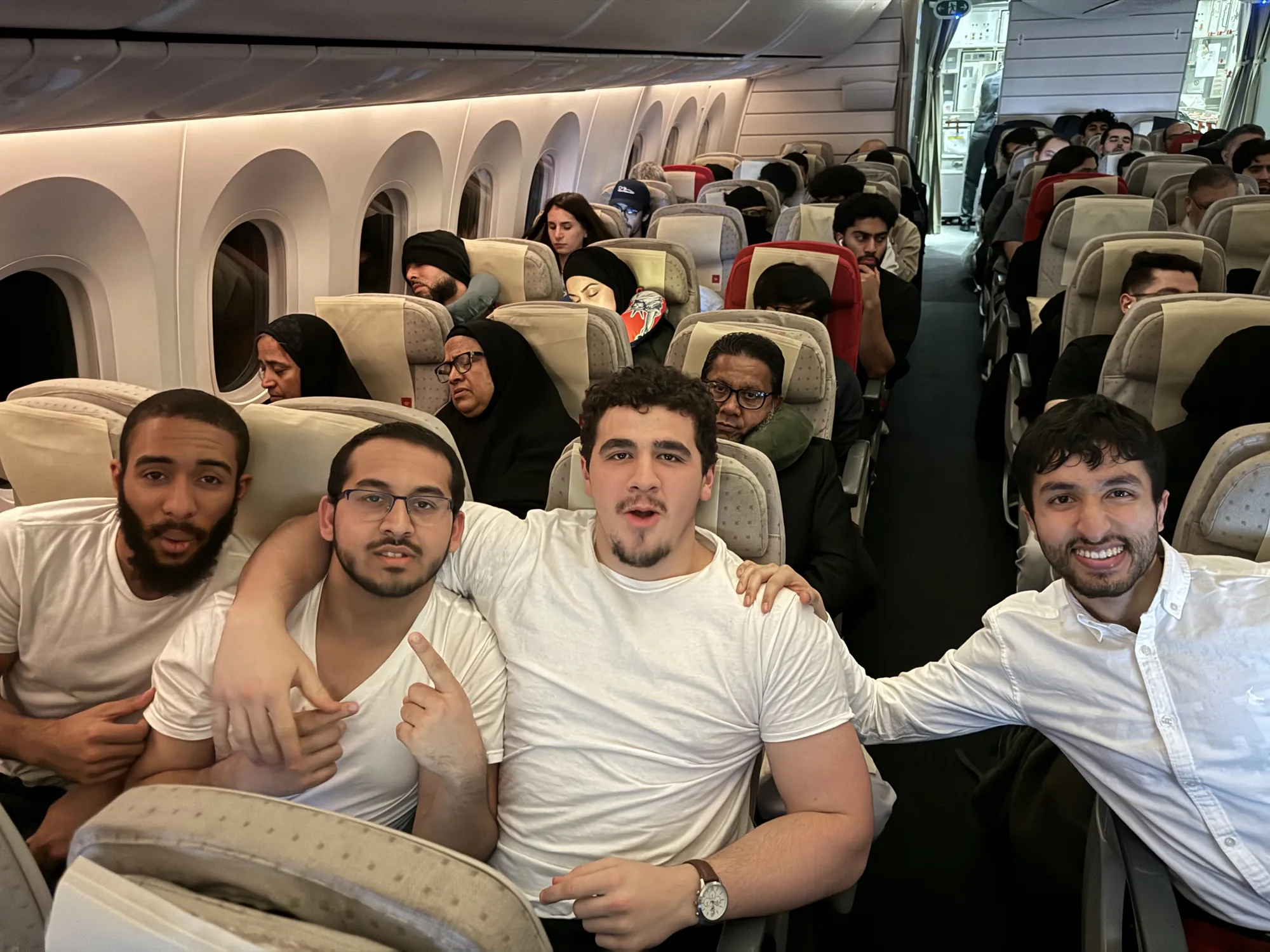
Ten days
How the journey unfolded
Origin
A student idea
A small group of Yale students set out to organise an Umrah journey for their peers. Interest grew well beyond what was first imagined.
Jeddah
Arrival and the opening days
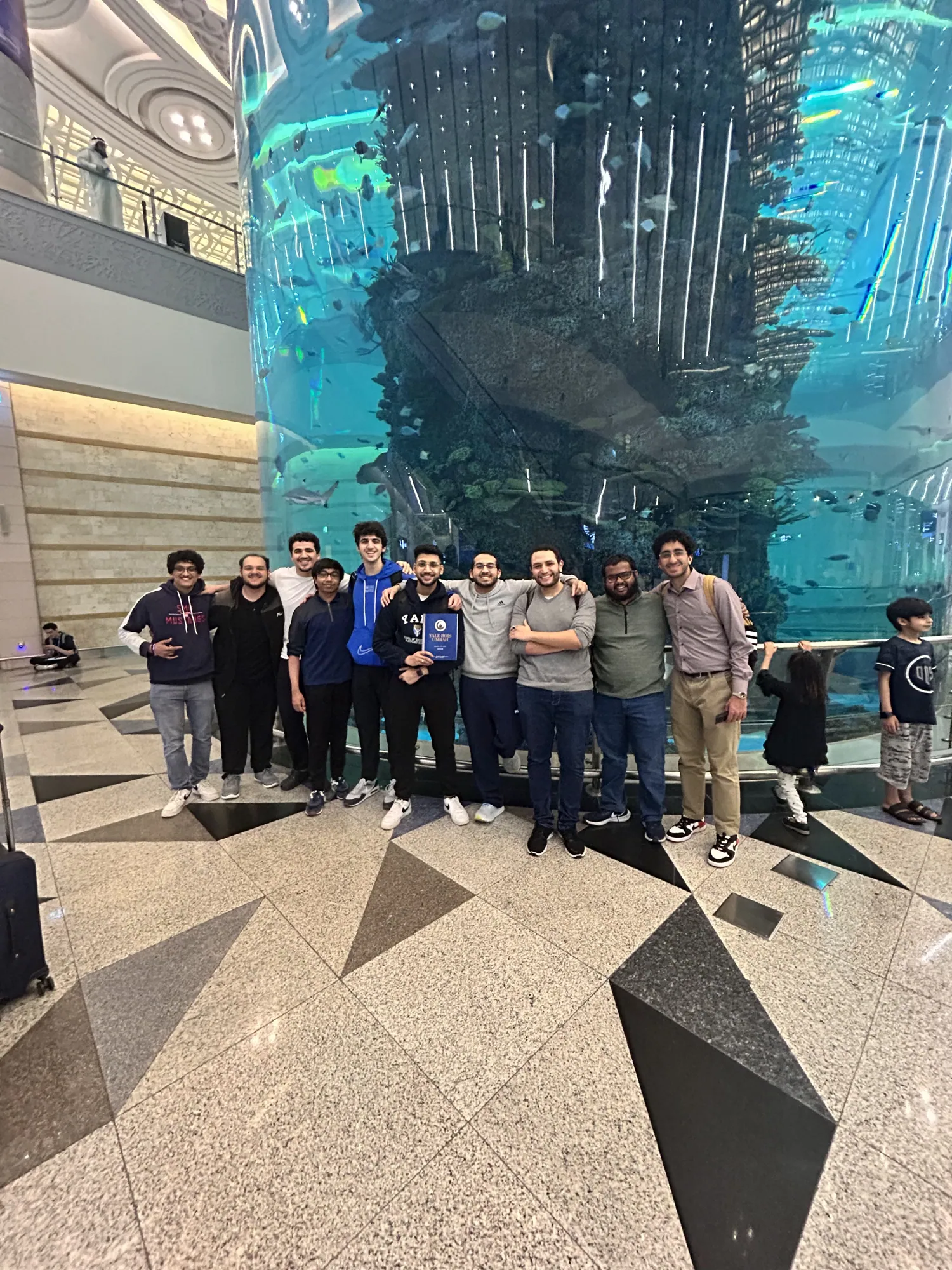
The group arrived and began the journey together, with orientation, shared meals, a walking tour of the historic city, and the first sessions of the trip.
Madinah
Worship, history, and learning
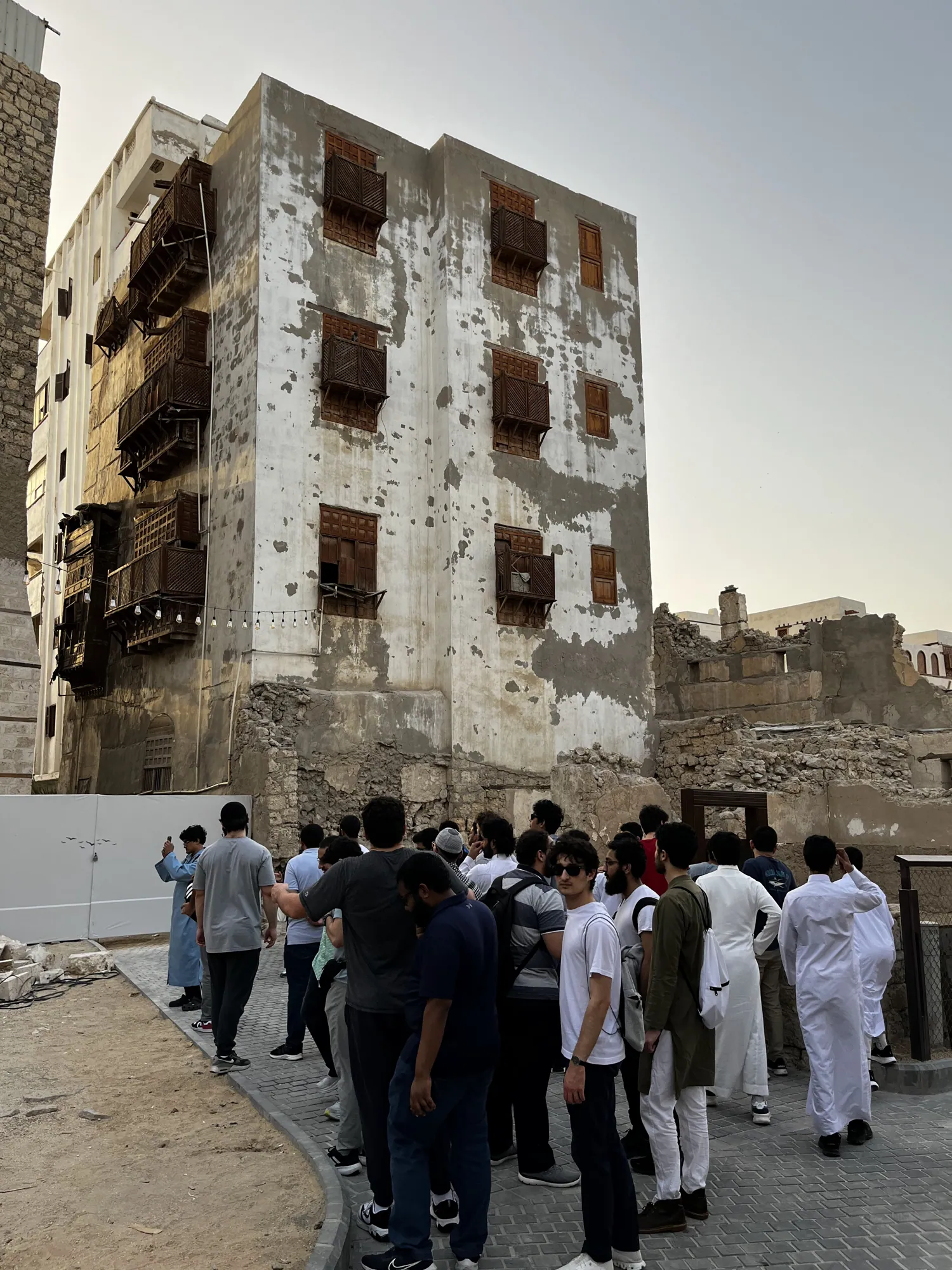
Days of worship and visits to sites of religious and historical significance, including lessons taught in the places they belong to.
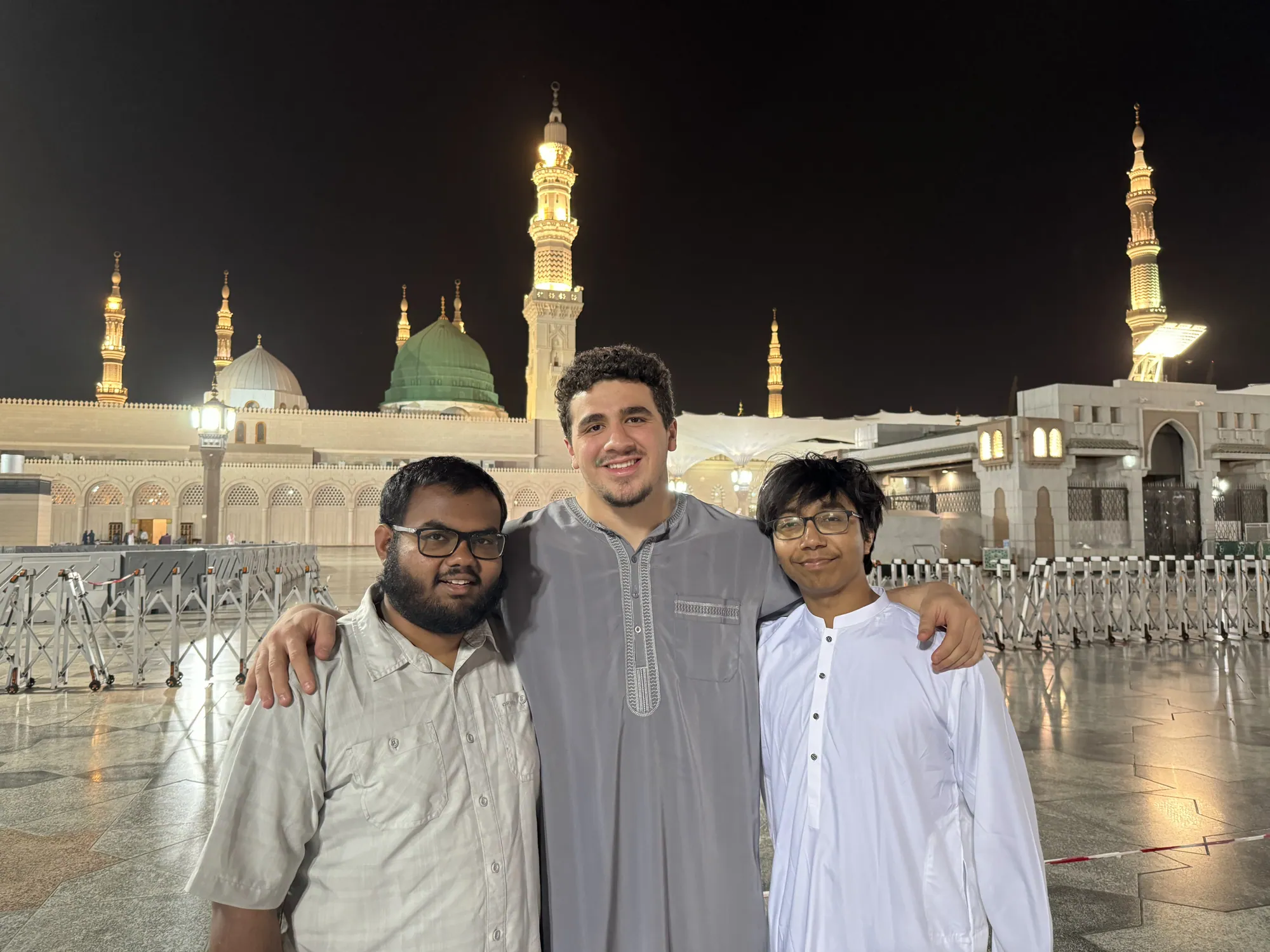
Makkah
The miqat, and Umrah
Preparation for ihram, the fiqh of Umrah, and the performance of Umrah, which for many participants was their first.
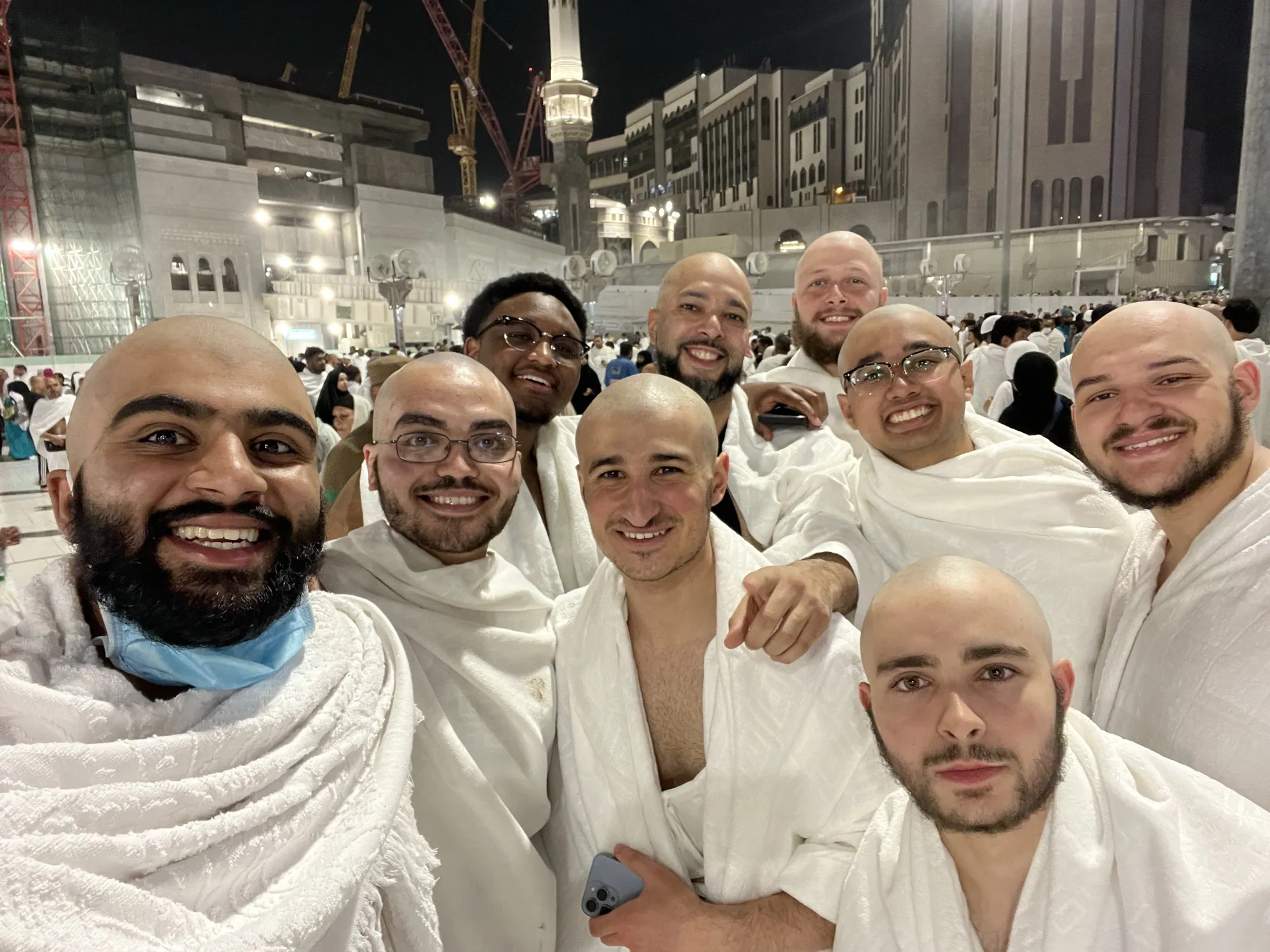
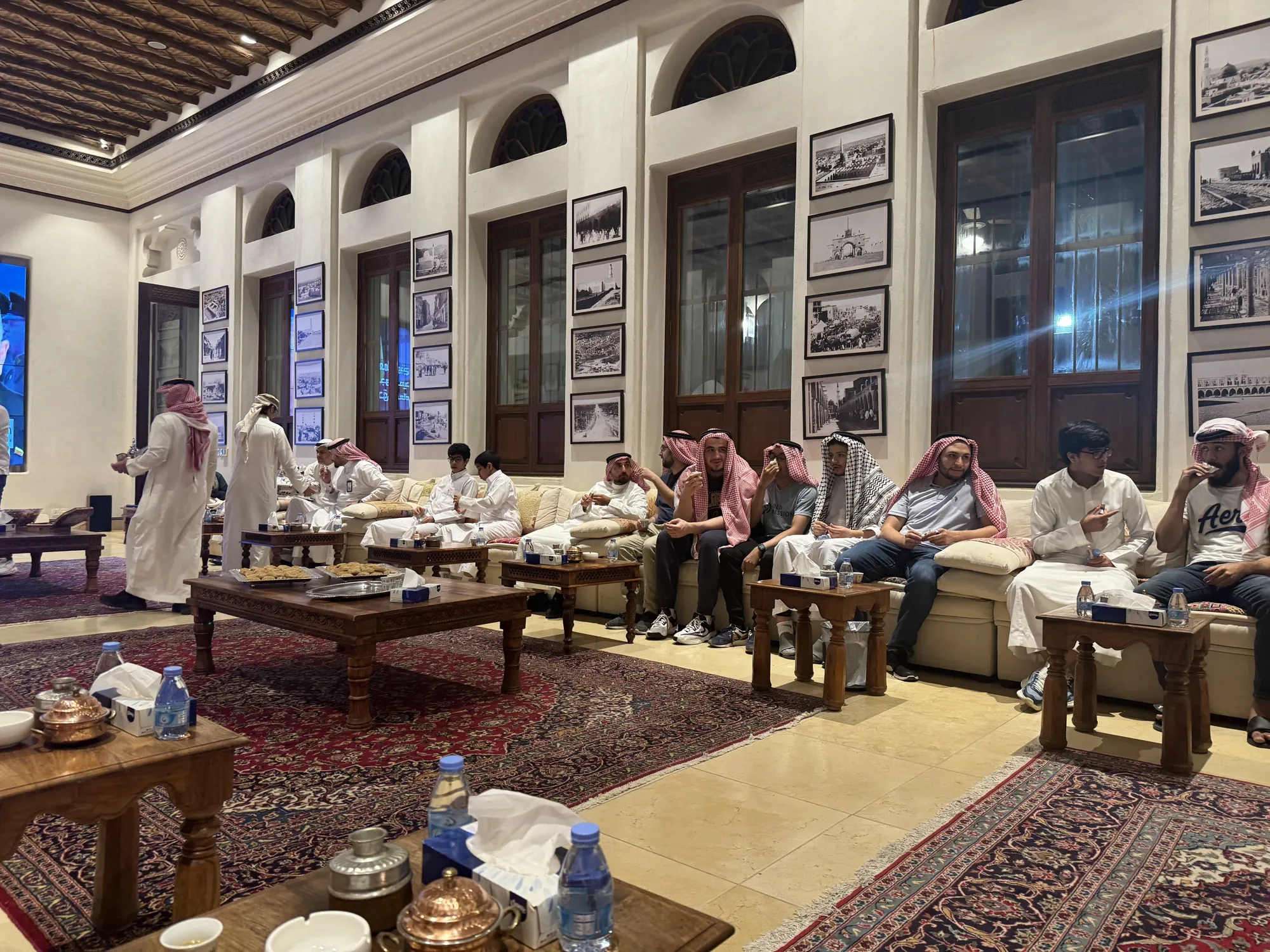
Hospitality
Learning and local welcome
Small-group lessons, museum visits, and evenings hosted by local families who opened their homes to the group.
The record
Photographs from the pilot cohort
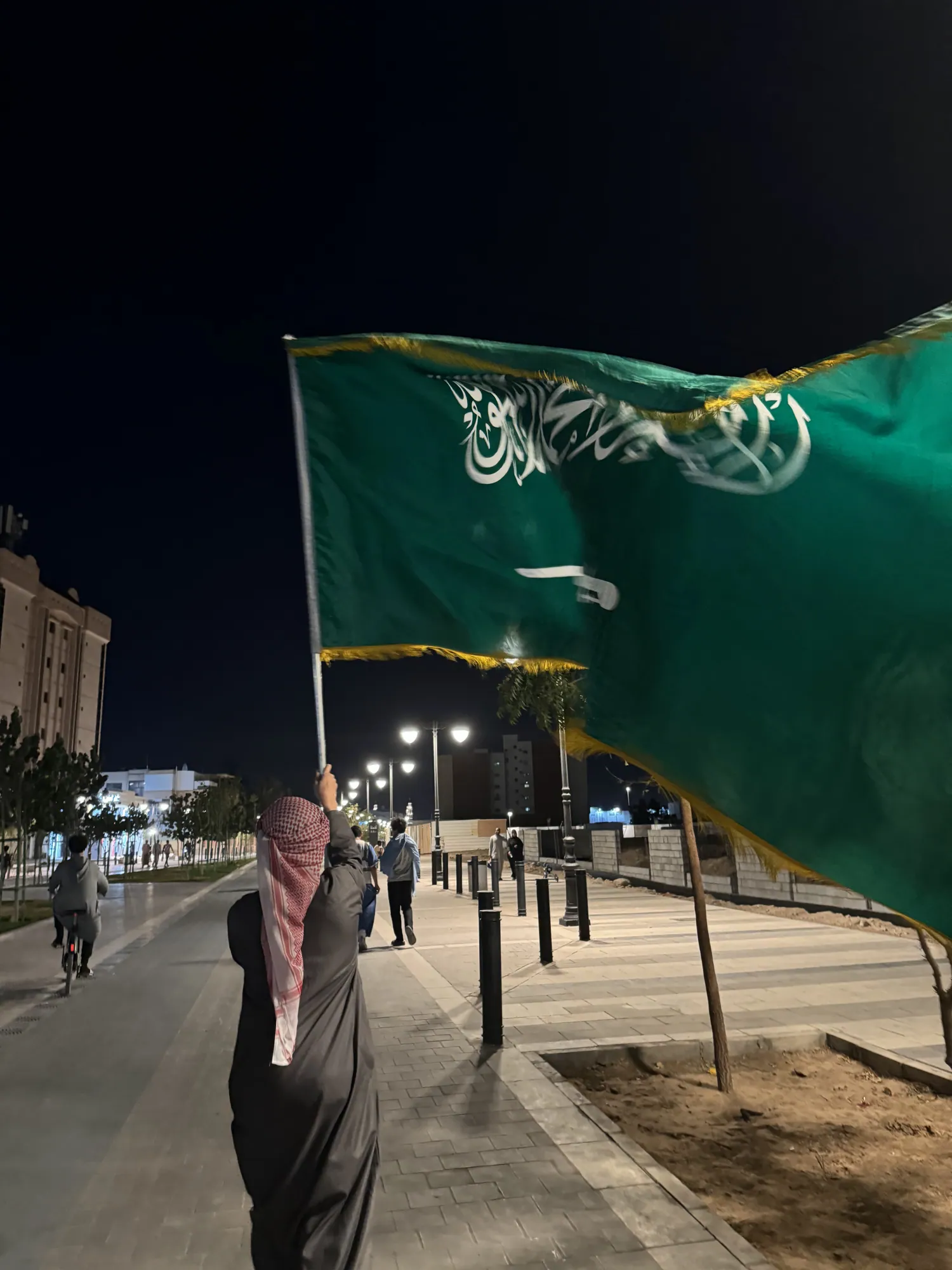
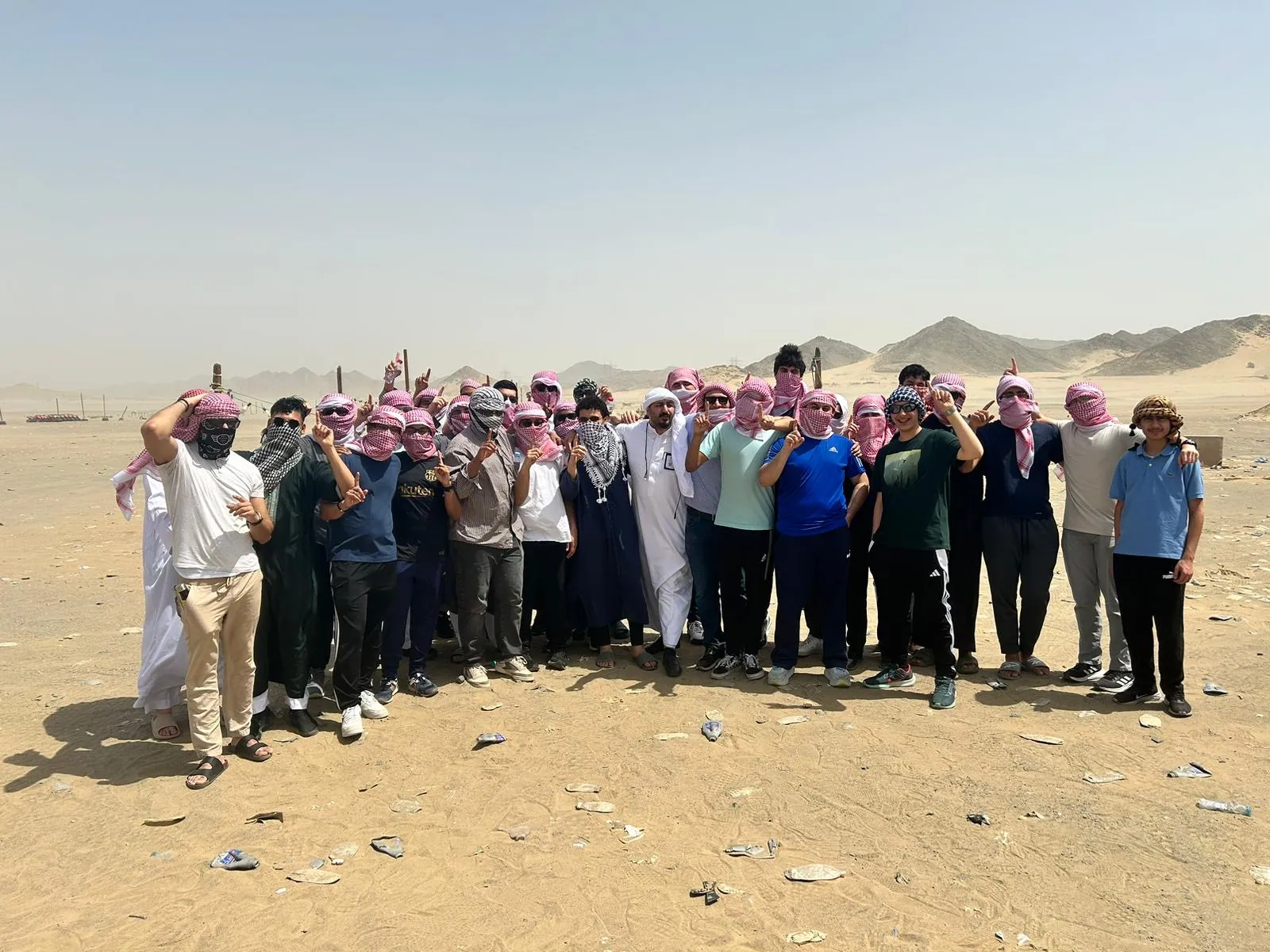
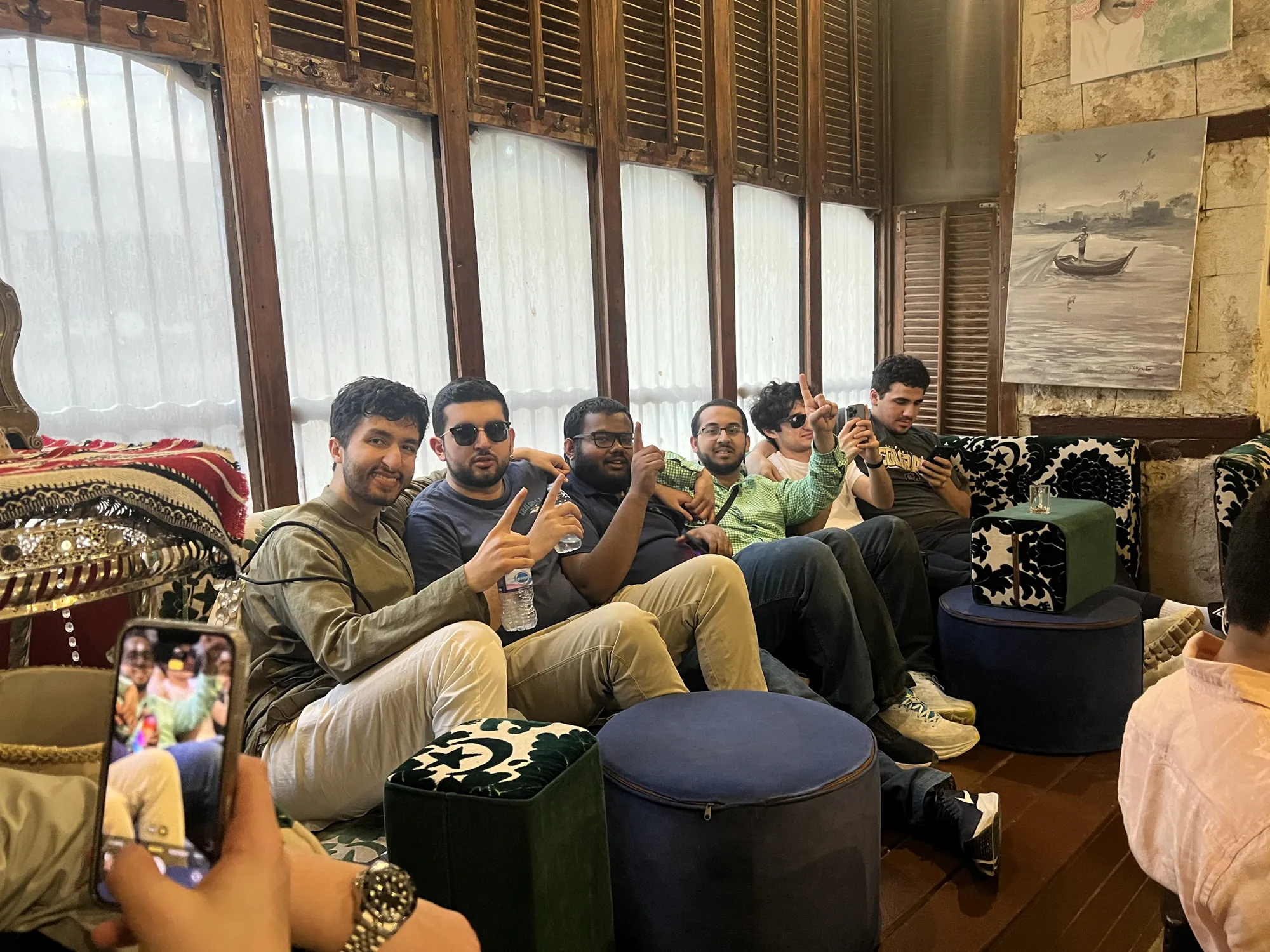
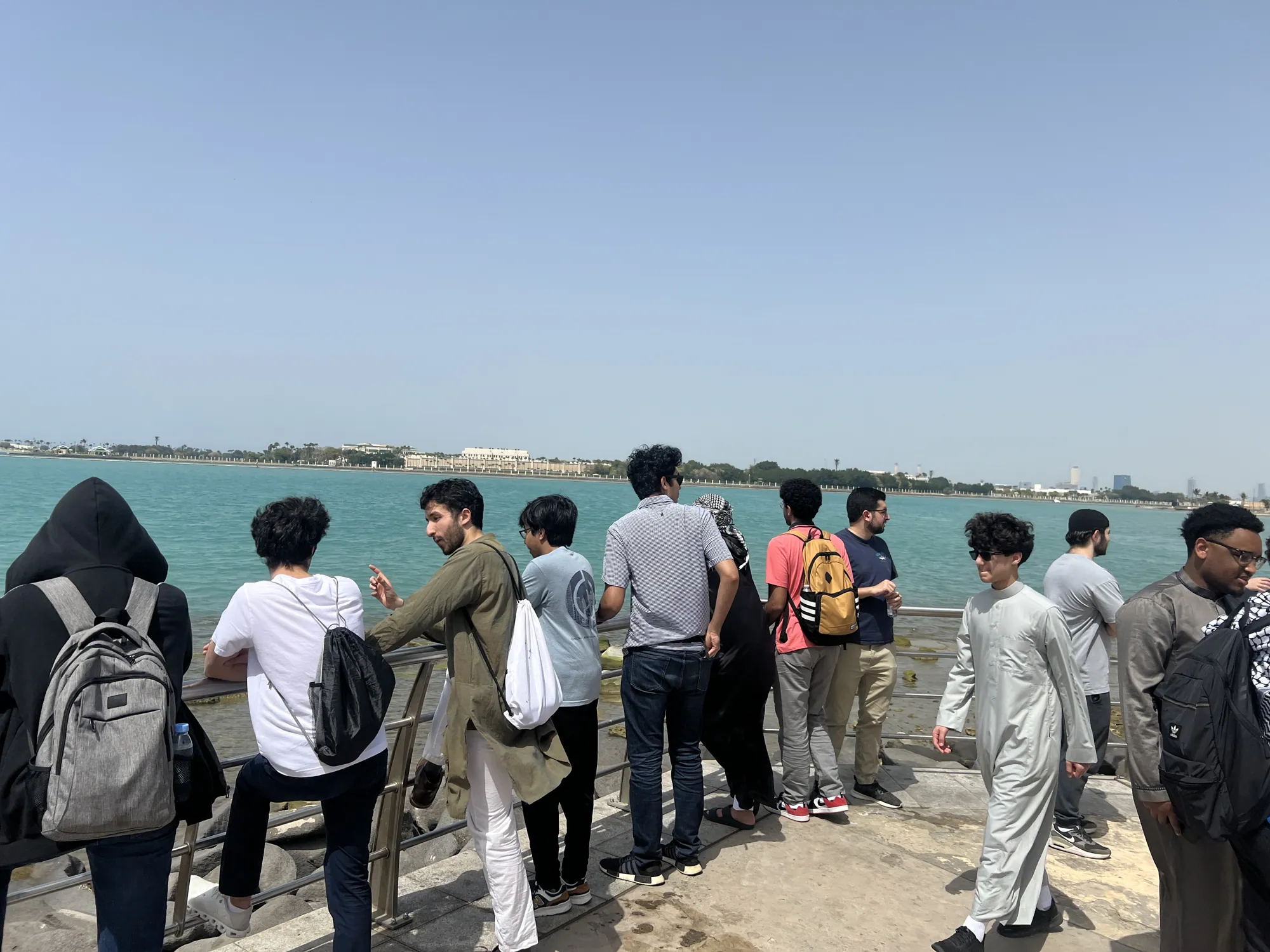
Madinah · 2024 · Pilot journey
Lessons carried forward
From journey to fellowship
The pilot was not a finished programme, and it was never meant to be. What it produced was clarity about what a serious fellowship would require.
- Stronger pre-departure preparation
- More intentional cohort formation
- Clearer expectations for group life
- More structured mentorship
- Greater space for reflection
- A stronger intellectual component
- Better integration of the sacred and professional dimensions of the journey
- More intentional cultural learning
- More support before, during, and after travel
- A clearer post-return experience
- Longer-term community among fellows
- A sustainable funding model
- More formal partnerships
- More thoughtful impact evaluation